Finding Relief from Dry Eye Disease (DED)
Arlington Heights, IL Dry Eye Treatment at Northwest Eye Physicians
Serving you in Arlington Heights, Buffalo Grove and the surrounding areas.
We Get It.
Dry eye is an extremely frustrating condition often referred to as Dry Eye Disease (DED).
It impacts your daily life and can be hard to manage. But the good news is, you’re in the right place. Dry eye affects millions worldwide, causing irritating symptoms that disrupt everyday life. In fact, it's one of the most common reasons for patient visits, making effective treatment a top priority for us.
Understanding Dry Eye
Dry eye occurs when your tears aren't able to provide adequate lubrication for your eyes. This can happen for several reasons, from reduced tear production to increased tear evaporation. Whether caused by aging, environmental factors, or medical conditions, understanding the underlying issue is the first step to effective treatment.
What Is Dry Eye?
Dry Eye Disease is a condition where the eyes do not produce enough tears, or the tears are of poor quality.
This leads to discomfort, inflammation, and in severe cases, damage to the eye's surface. Common triggers include environmental stress, prolonged screen time, certain medications, and aging.
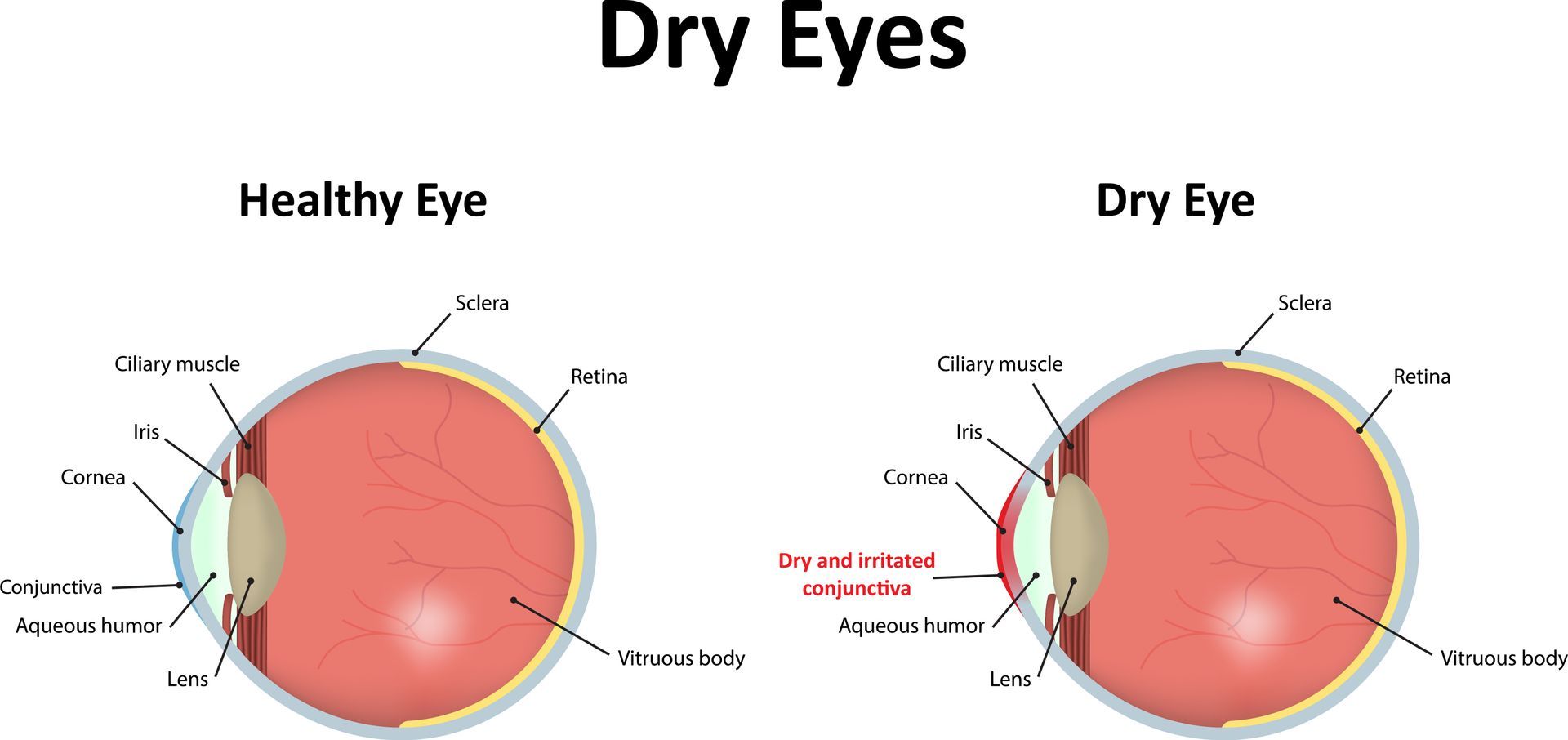
The Anatomy of a Dry Eye
Your eyes rely on a consistent flow of tears to stay moist and healthy. Tears are made up of three layers: water, oil, and mucus. When any of these components are out of balance, it can lead to dry eye. Meibomian gland dysfunction (MGD), which affects the oil-producing glands, is a primary cause of dry eye.
Common Symptoms
People with moderate to severe DED often report at least two of the following common issues:
- Contact lens discomfort
- Sensation of grit or sand in the eye
- Redness and burning
- Itching and light sensitivity
- Significant eye pain
- Difficulty performing daily tasks
- Decreased energy and vitality
- Poor general health
- Feelings of depression
Diagnosing Dry Eye
Diagnosing dry eye accurately requires careful evaluation of several factors to pinpoint the root cause and determine the best course of treatment.
Tests We Perform:
- Symptom Assessment – We start with a patient questionnaire to evaluate your symptoms.
- Tear Volume – Using Phenol Red or Schirmer’s tests, we measure tear production.
- Inflammation Detection – MMP-9 biomarker tests reveal underlying inflammation.
- Tear Concentration – TearLab helps us assess tear quality.
- Meibomian Gland Analysis – Lipiscan evaluates gland structure and function.
- Tear Oil Levels – Tear break-up time measures the amount of oil in your tears.
- Lid Hygiene – We check for the presence of blepharitis (eyelid inflammation).
Treating Dry Eye
Once we've identified the cause of your dry eye, we offer a variety of treatment options, which may include one or more of the following:
- Artificial Tears – Preservative-free drops to relieve symptoms.
- Lid Hygiene – In-office or at-home practices to improve eye health.
- Omega-3 Supplements – To enhance tear production.
- Anti-Inflammatory Medications – Such as Restasis or Xiidra.
- Warm Compresses – Using a Bruder mask to soothe irritated eyes.
- Intense Pulsed Light (IPL) Therapy – A new, effective option for those who haven’t found relief with conventional treatments. IPL encourages oil flow and reduces inflammation with a quick, non-invasive procedure.
Healthy eyes require a continuous flow of tears for moisture, healing, and protection against infection. When tears are insufficient in quantity or quality, the eyes become dry and irritated. Causes range from age to contact lens use. For severe cases, treatments like
artificial tears, warm compresses, or even closing the tear ducts can help. We also offer more advanced therapies, including IPL and LipiFlow, to address persistent symptoms.
For a deeper understanding of how our treatments work, check out the video below.
Book Now and Contact Information
Ready to take the next step toward relief? Schedule an appointment today to meet with one of our specialists.
1588 N. Arlington Heights Road
Arlington Heights, Illinois 60004
Phone: (847) 392-9220
Fax: (847) 392-9252
Email: NWEP.Inquiry@gmail.com
Frequently Asked Questions About Dry Eye Treatment
What is dry eye disease?
Dry eye disease (DED) is a common condition that occurs when your eyes do not produce enough tears or when your tears evaporate too quickly. This can lead to irritation, burning, redness, blurry vision, and discomfort that affects daily activities.
What causes dry eyes?
Dry eyes can develop for many reasons, including:
- Aging
- Prolonged screen time
- Meibomian gland dysfunction (MGD)
- Certain medications
- Autoimmune diseases
- Contact lens wear
- Environmental factors such as wind, smoke, or dry climates
- Hormonal changes
A comprehensive eye examination can help identify the underlying cause of your symptoms.
What are the symptoms of dry eye disease?
Common symptoms include:
- Burning or stinging eyes
- Redness
- Gritty or sandy sensation
- Blurry or fluctuating vision
- Excessive tearing
- Light sensitivity
- Eye fatigue
- Contact lens discomfort
Symptoms may worsen after prolonged computer use or time spent in dry or windy environments.
What is Meibomian gland dysfunction (MGD)?
Meibomian gland dysfunction (MGD) occurs when the oil-producing glands in your eyelids become blocked or stop functioning properly. Without enough oil in your tears, they evaporate too quickly, making MGD one of the leading causes of dry eye disease.
How is dry eye disease diagnosed?
Your eye doctor may perform several tests to determine the cause and severity of your dry eye, including:
- Tear production testing
- Tear quality evaluation
- Tear break-up time
- Meibomian gland imaging
- Inflammation testing (MMP-9)
- Comprehensive eye examination
These tests help create a personalized treatment plan.
What treatments are available for dry eye disease?
Treatment depends on the underlying cause and may include:
- Artificial tears
- Prescription eye drops
- Warm compresses
- Eyelid hygiene
- Omega-3 supplements
- LipiFlow® treatment
- Intense Pulsed Light (IPL) therapy
- Punctal plugs in appropriate patients
Your ophthalmologist will recommend the treatment options that best fit your condition.
What is IPL therapy for dry eyes?
Intense Pulsed Light (IPL) therapy is an advanced treatment for moderate to severe dry eye disease caused by Meibomian gland dysfunction. Pulses of light are applied around the eyelids to reduce inflammation, improve oil gland function, and enhance tear stability.
What is LipiFlow?
LipiFlow is an in-office treatment that applies gentle heat and therapeutic pressure to unclog blocked Meibomian glands. Restoring normal oil flow can improve tear quality and relieve dry eye symptoms caused by MGD.
Can dry eye disease be cured?
Dry eye disease is usually a chronic condition, but it can often be managed successfully with the right combination of treatments and lifestyle changes. Regular follow-up care helps keep symptoms under control.
Is dry eye disease permanent?
For many patients, dry eye is a long-term condition that requires ongoing management. Fortunately, advances in treatment allow many people to experience lasting symptom relief and improved quality of life.
Does screen time make dry eyes worse?
Yes. When using computers, tablets, or smartphones, people tend to blink less often, causing tears to evaporate more quickly. Taking regular breaks and following the 20-20-20 rule can help reduce symptoms.
Can contact lenses cause dry eyes?
Yes. Contact lenses may contribute to dryness or make existing dry eye symptoms worse. Your eye doctor can recommend alternative lenses, lubricating drops, or treatment options to improve comfort.
When should I see an eye doctor for dry eyes?
You should schedule an evaluation if your symptoms:
- Last more than a few days
- Interfere with daily activities
- Do not improve with over-the-counter artificial tears
- Cause blurred vision or significant discomfort
Persistent dry eye symptoms may indicate an underlying condition that requires professional treatment.
Does insurance cover dry eye treatment?
Coverage depends on your diagnosis, treatment plan, and insurance provider. Medical evaluations for dry eye are often covered when symptoms or underlying eye disease are present, while some advanced procedures may involve additional out-of-pocket costs.
Why choose Northwest Eye Physicians for dry eye treatment in Arlington Heights?
Northwest Eye Physicians offers comprehensive dry eye evaluations using advanced diagnostic technology to determine the underlying cause of your symptoms. Their experienced ophthalmologists and optometrists provide personalized treatment plans that may include prescription medications, eyelid therapies, LipiFlow, and Intense Pulsed Light (IPL) therapy to help improve comfort and long-term eye health.